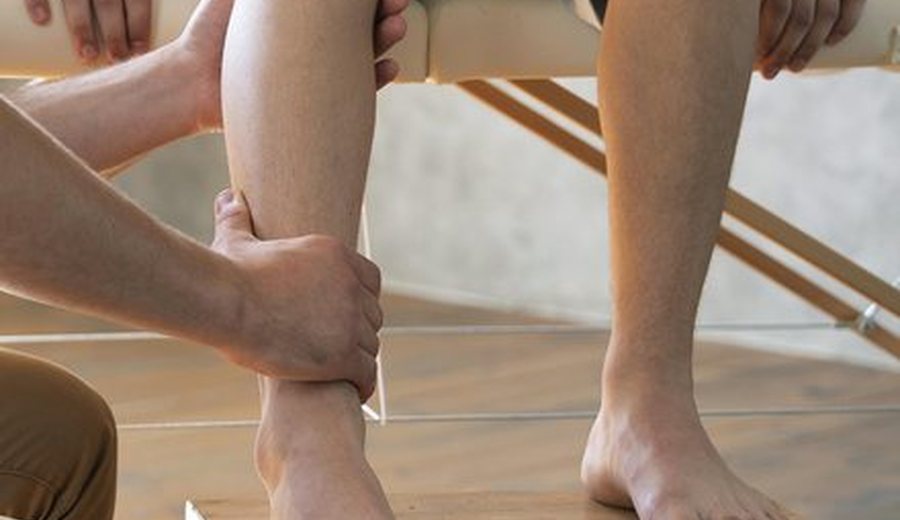
One loose stone or uneven step is all it takes. An ankle sprain happens when the ankle rolls and the ligaments that hold the joint together stretch or tear. Most sprains heal well at home, but the way you care for them early on makes a big difference to how quickly you get back on the trail.
Signs of a sprain
- Pain on the outside of the ankle, often right after a roll
- Swelling and bruising that appear over hours
- Tenderness when you press around the joint
- Stiffness and pain when you put weight on the foot
First aid right after the injury
- Rest the ankle and avoid walking on it more than you need to
- Cool it with an ice pack wrapped in a cloth for short spells
- Use a compression wrap that feels snug but not tight
- Keep the foot raised above heart level when you can
- Take simple pain relief if it is safe for you
Pack a light compression wrap in your hiking bag. It weighs almost nothing and can make the walk out much easier.
When you may need an X-ray
Some injuries that look like a sprain are actually small fractures. Get checked if you cannot take a few steps on the foot, if there is pain directly over the ankle bones or the outer edge of the foot, or if the ankle looks out of shape. Numbness, cold toes or a wound over the injury need care straight away.
Getting back to the trail
- Start gentle ankle circles and movement as soon as pain allows
- Build up balance work, such as standing on one foot
- Add strength exercises before returning to rough ground
- Wear supportive boots and consider a brace for your first hikes back
How we can help
We will examine your ankle, decide whether an X-ray is needed and give you a clear recovery plan, including exercises that lower the chance of rolling it again.
Want advice that fits you?
Our Cedar City team is happy to talk it through.
This article is general information and not a substitute for medical advice. In an emergency, call your local emergency number.